






Short answer: Choose Finnish Lapland or Sapporo for snow, Cape Town or The Bahamas for warmth, and Venice for an atmospheric European city break. The right choice depends on whether you want winter activities, sunshine, beaches, culture, or a major seasonal event.
This comparison is most useful if you are considering travel during December, January, or February, but the seasons and event dates differ by destination. Before paying for flights or accommodation, check the conditions for your exact dates, transport connections, seasonal opening dates, passport and visa rules for your nationality, travel insurance, and cancellation terms. Prices and availability are not fixed by the label “winter” or “low season.”
Quick guide: which winter destination fits your trip?
| Destination | Best for | What to expect | Main trade-off |
|---|---|---|---|
| Finnish Lapland | Snow, aurora opportunities, families, and Arctic activities | Snow-covered landscapes, reindeer experiences, saunas, and winter excursions | Cold conditions and high demand around holiday periods |
| Cape Town | Sunshine, hiking, beaches, food, and outdoor sightseeing | Southern Hemisphere summer during Northern Hemisphere winter | Summer wind and peak-season demand around late December |
| The Bahamas | Warm beaches, swimming, boat trips, and relaxed resort time | White-sand beaches, turquoise water, island activities, and Nassau’s urban attractions | Prices and availability vary by island, resort, and holiday period |
| Venice | Culture, atmospheric walks, museums, and a European city break | Mistier canals, indoor attractions, cafés, and potentially less pressure than the busiest season | Cool, damp days and occasional rain |
| Sapporo | Snow festivals, skiing, food, and a city-based winter trip | Heavy snow, winter activities, urban transport, and the annual Snow Festival | Snow and festival crowds require warm clothing and advance planning |
Use the table to choose a starting point, not to book immediately. The sections below explain the conditions, activities, practical base, and limitation that can change whether each destination works for your dates.
1. Finnish Lapland: a strong choice for a classic snowy winter
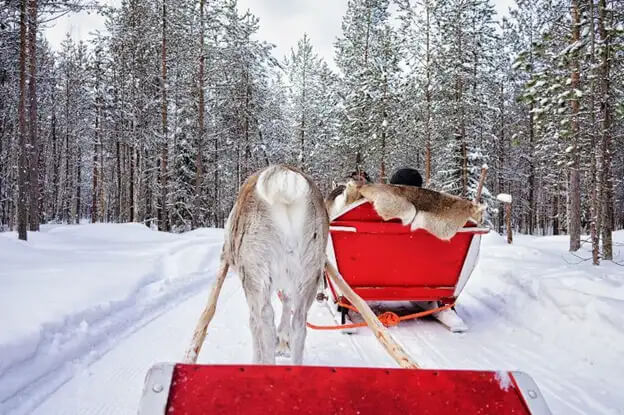
Finnish Lapland is a clear match for travelers who want a traditional snow-covered winter. The region combines Arctic landscapes with opportunities to look for the Northern Lights, reindeer and husky experiences, skiing, snowshoeing, saunas, and family attractions around Rovaniemi. Visit Finland describes Lapland as a year-round destination associated with Arctic nature, snow, reindeer, Northern Lights, and Sámi culture (according to visitfinland.com).
Rovaniemi is a practical starting point for many first-time visitors. You can fly there via Helsinki or use trains and buses, then arrange excursions outside the town. Northern Lights sightings are not guaranteed: clouds, light pollution, and solar activity affect visibility. Treat an aurora tour as an opportunity rather than a promised outcome.
- Choose it if: snow, winter activities, festive scenery, and family-friendly attractions are your priority.
- Plan for: insulated layers, waterproof footwear, limited daylight, and early reservations during popular dates.
- Useful base: Rovaniemi for transport, attractions, and a broad choice of tours. A remote resort may offer a quieter setting but requires more transfer planning.
Accommodation ideas to compare include:
- Arctic Light Hotel
- Scandic Pohjanhovi
- Nova Skyland Hotel
2. Cape Town: a winter escape that feels like summer
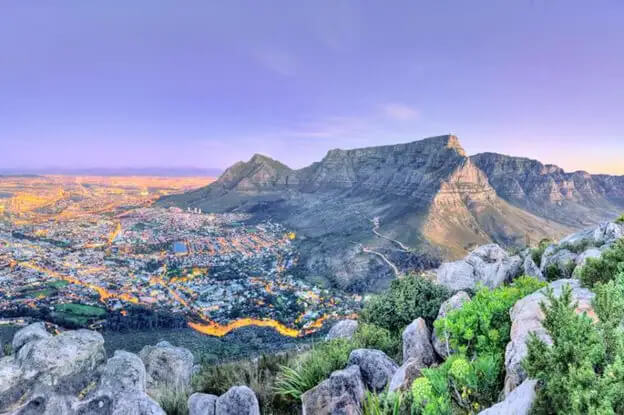
Cape Town is a strong option if you want to leave cold weather behind. December to February falls within the city’s summer period, making it suitable for Table Mountain, coastal walks, beaches, food markets, gardens, and day trips through the Cape Peninsula. Cape Town Tourism describes summer as generally dry and often windy, with long warm days from roughly November through March (according to capetown.travel).
Do not assume every day will be calm or beach-hot. The South Easter wind can affect outdoor plans, and conditions may change quickly around the mountain and coast. Build flexibility into your itinerary: keep one day for Table Mountain or hiking, another for museums and neighbourhoods, and a separate day for the Cape Peninsula or Winelands.
- Choose it if: you want outdoor sightseeing, food, scenery, and mild-to-warm weather during Northern Hemisphere winter.
- Plan for: sunscreen, a light layer for evenings, wind, and busy late-December travel dates.
- Good first stops: Table Mountain, Kirstenbosch National Botanical Garden, the V&A Waterfront, and the Cape Peninsula.
Accommodation ideas to compare include:
- Blaauwberg Beach Hotel
- The Table Bay Hotel Cape Town
- City Lodge Hotel Victoria and Alfred Waterfront
3. The Bahamas: white-sand beaches and warm-water activities

The Bahamas suits travelers who define a winter holiday as warm water, beaches, boat excursions, snorkeling, and time outdoors. Nassau is a practical base for first-time visitors because it combines beaches, restaurants, historic areas, and resort access. Other islands offer a quieter pace and different coastal settings.
Choose the island before choosing the hotel. Nassau and Paradise Island offer more concentrated entertainment and resort infrastructure; quieter islands can provide a more relaxed experience but may involve extra domestic flights, ferries, or limited transport. Confirm airport transfers, ferry schedules, weather conditions, and the exact location of any advertised activity before paying.
- Choose it if: beach time, swimming, snorkeling, boat trips, and warm-weather relaxation matter most.
- Plan for: stronger demand around Christmas and New Year, sun protection, and possible inter-island transport.
- Possible activities: a Nassau food and history walk, snorkeling, sailing, visiting Pink Sands Beach on Harbour Island, or exploring a quieter island.
Accommodation ideas to compare include:
- British Colonial Hilton Nassau
- Rosewood Baha Mar
- Breezes Resort Bahamas All Inclusive
4. Venice: an atmospheric European city break outside the busiest season
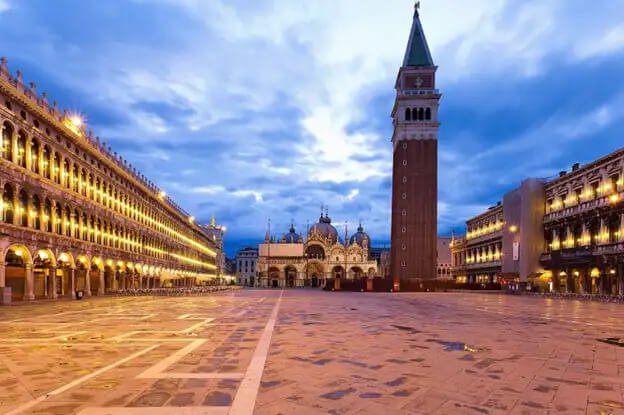
Venice offers a different kind of winter trip: atmospheric walks, museums, churches, cafés, and canals that may feel more intimate than during the summer high season. Mist, cooler weather, and shorter days change the mood of the city, while indoor attractions provide useful alternatives when rain arrives.
Winter does not automatically mean that every flight or hotel will be cheap. Prices depend on weekends, holidays, events, and the specific neighbourhood. Compare the total cost of flights, airport transfers, accommodation, and attraction tickets instead of relying on the label “low season.” Pack waterproof shoes and a warm layer, and check local conditions if your plans include low-lying areas.
- Choose it if: you want art, architecture, food, photography, and a slower city-break atmosphere.
- Plan for: damp weather, reduced daylight, acqua alta risk in some periods, and advance reservations for popular sights.
- Good first stops: St. Mark’s Square, the Doge’s Palace, the Rialto area, quieter sestieri, and a traditional café.
Accommodation ideas to compare include:
- Hilton Garden Inn Venice Mestre
- Sina Centurion Palace
- Carnival Palace – Venice Collection
5. Sapporo: city comforts, deep snow, and a major winter festival
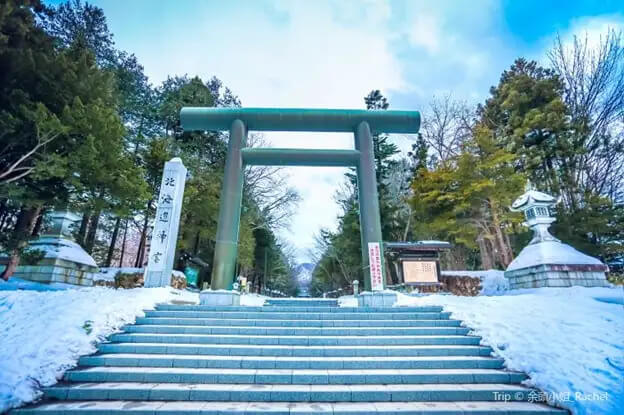
Sapporo is a strong option for travelers who want substantial snow without giving up restaurants, shopping, public transport, and urban accommodation. Winter activities include skiing, snowshoeing, sledding, hot-spring visits, seafood, and seasonal events. The official Sapporo travel guide describes winter as roughly December through March and presents the city as a base for snow activities and Hokkaido ski trips (according to visit.sapporo.travel).
The Sapporo Snow Festival is held in early February across major sites including Odori, Susukino, and Tsudome. The official listing gives the 2027 festival dates as February 4–11, 2027; dates and event arrangements can change, so check the current official listing before booking flights or hotels around the festival (according to sapporo.travel).
- Choose it if: you want snow, Japanese food, city convenience, and a major winter event.
- Plan for: slippery pavements, heavy snowfall, crowded festival dates, and extra travel time between event sites.
- Good first stops: Odori Park, Susukino, the Tsudome site during the festival, local seafood markets, and a nearby ski area or onsen town.
Accommodation ideas to compare include:
- Hotel Keihan Sapporo
- Tokyu Stay Sapporo
- Keio Plaza Hotel Sapporo
How to choose before you book
- Want reliable snow activities? Start with Finnish Lapland or Sapporo, then check the specific resort, activity, and transport conditions for your dates.
- Want sun and outdoor sightseeing? Compare Cape Town with The Bahamas. Cape Town is stronger for landscapes, food, and city-based day trips; The Bahamas is stronger for beach and resort time.
- Want culture and a European atmosphere? Choose Venice, but allow for damp weather and shorter daylight.
- Traveling with children? Check transfer times, equipment rental, activity age limits, and indoor alternatives before choosing a remote resort.
- Flying internationally? Compare total journey time and connections, not only the headline airfare. A slightly higher fare with fewer connections may reduce transfer risk and lost holiday time.
A simple winter-trip checklist
- Confirm the destination’s season and typical conditions for your exact travel dates.
- Check passport validity, visa or electronic travel authorisation requirements, and travel insurance.
- Book accommodation near reliable transport unless you specifically want a remote resort.
- Reserve festival tickets, popular attractions, guided tours, ski equipment, or restaurant tables where required.
- Prepare clothing for the actual conditions: waterproof layers for snow, wind protection for Cape Town, and sun protection for beaches.
- Save offline maps, transport information, hotel contact details, and cancellation terms.
- Recheck weather, transport disruptions, event dates, and entry requirements shortly before departure.
FAQs about where to go in winter
Where are the strongest winter options in Europe?
For a strongly snowy experience, Finnish Lapland is the clearest match among the destinations in this article. For culture, canals, museums, and a cooler city break, Venice offers a very different winter experience. Sweden, Norway, Austria, and other European destinations may also suit travellers seeking skiing or Northern Lights, but conditions and prices vary by region.
What is a good winter destination for a beach holiday?
The Bahamas is the clearest beach-focused choice in this list. Cape Town is also appealing for sunshine and outdoor activities, but its winter-season appeal is broader than a resort beach holiday: it includes hiking, food, scenery, museums, and day trips.
Where is a good place to go skiing in winter?
Sapporo is a practical city base for Hokkaido ski areas and snow activities, while Finnish Lapland offers skiing, snowboarding, cross-country routes, and other winter excursions. Choose based on the resort’s distance, snow conditions, equipment rental, lesson availability, and transport rather than the city name alone.
Where can I go to avoid cold winter weather?
Choose Cape Town for summer weather, outdoor sightseeing, and a large city setting, or The Bahamas for warm-water activities and beaches. Check the forecast for your exact dates because even warm destinations can have wind, rain, or cooler evenings.
Is winter a good time to visit Venice?
Yes, if you prefer a cooler, more atmospheric city break and are comfortable with damp weather. Winter can make it easier to focus on museums, architecture, cafés, and neighbourhood walks, but you should still compare event dates, accommodation prices, weather, and transport before booking.
Reference source
- Welcome to Lapland— Visit Finland
- Survival Tips for the Cape Town Summer— Cape Town Tourism
- WINTER— Visit Sapporo: The Official Travel Guide to Sightseeing in Sapporo
- イベント一覧— ようこそさっぽろ
