






Slow travel with local experiences does not mean traveling less and missing out on more; it means choosing fewer destinations so you can spend time observing, talking, and participating in local life. Instead of trying to visit five cities in one week, you can choose one region, stay for several days, and build your itinerary around local markets, food, traditional crafts, nature, and meaningful encounters.
This way of traveling suits you if you want to reduce fatigue, limit time spent on the road, and create a more sustainable travel itinerary . Most importantly, the experience lies not only in the list of attractions but also in how you are present, consume, and respect the places you visit.
What is slow travel with local experiences, and why is it worth trying?
Slow travel is a way of organizing a trip at a relaxed pace, prioritizing time spent in each place, lower-impact transportation, and connection with the community rather than chasing a large number of destinations. Such a journey usually involves fewer changes of accommodation, fewer long-distance trips, and more open time for you to explore on your own.
The core idea of this model is to shift the focus from “how many places have I visited?” to “what have I learned about this place?” You might learn to cook a dish, go to the market with your host, join a craft workshop, or simply sit in a small café long enough to observe the rhythm of life around you.
UNESCO recommends that sustainable tourism models listen to local communities, create economic opportunities for local businesses, and protect residents’ access to cultural and natural spaces (according to the UNESCO World Heritage Centre).
Practical benefits of visiting fewer destinations
- Less fatigue and more flexibility: You do not have to constantly pack your luggage, wait for transportation, or go through check-in procedures.
- Understand the destination more deeply: Staying longer helps you recognize the difference between tourist areas designed for visitors and residents’ everyday lives.
- Keep spending closer to the community: Staying in a homestay, eating at family-run restaurants, hiring local guides, or buying handicrafts helps keep money in the local area.
- Reduce environmental impact: Fewer journeys and fewer uses of transportation make the trip lighter on resources.
However, slow travel does not automatically become responsible tourism. If you stay at an enclosed resort, consume wastefully, or turn residents’ private lives into photo content, your trip may still put pressure on the destination.
How to plan an itinerary with fewer destinations but more experiences
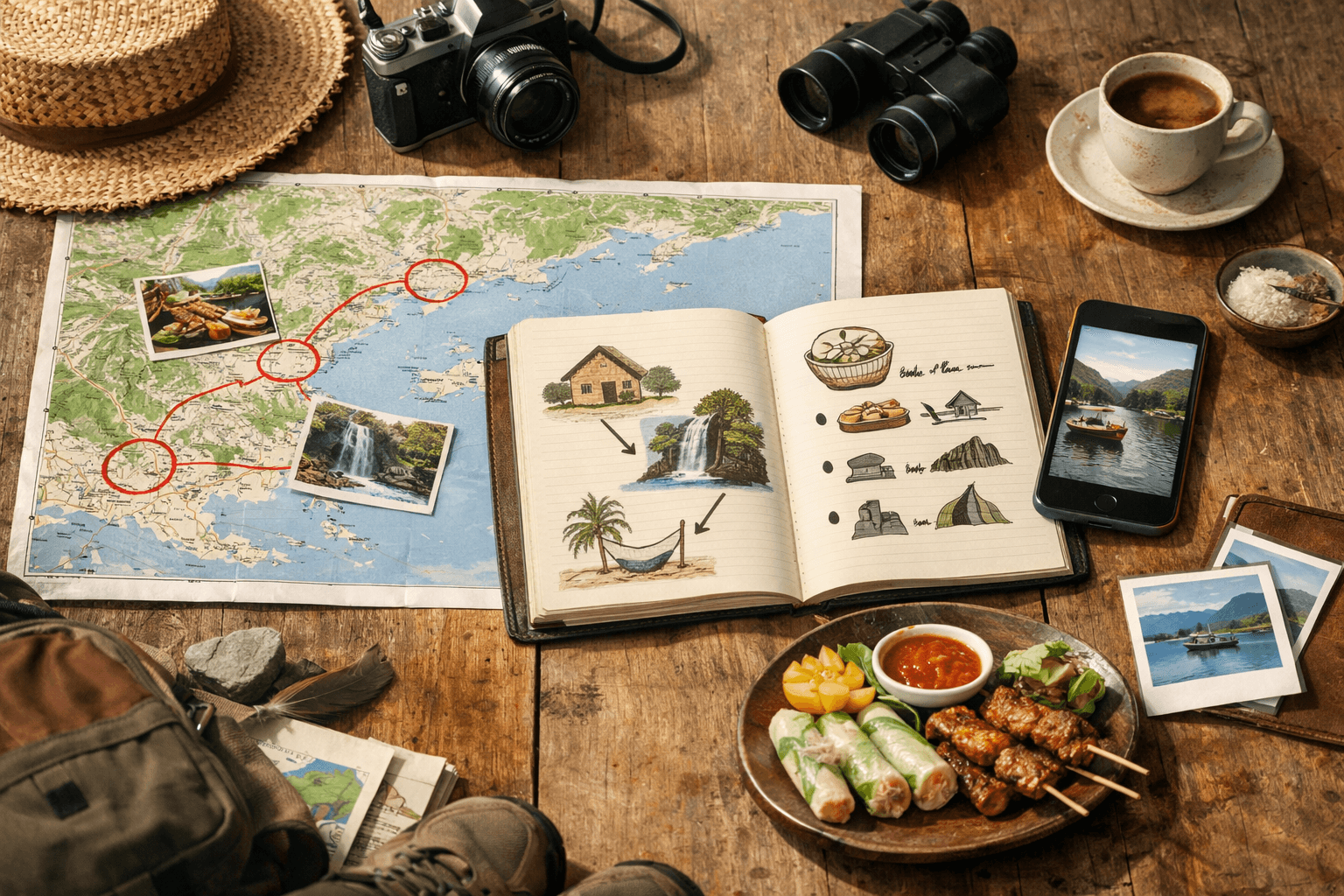
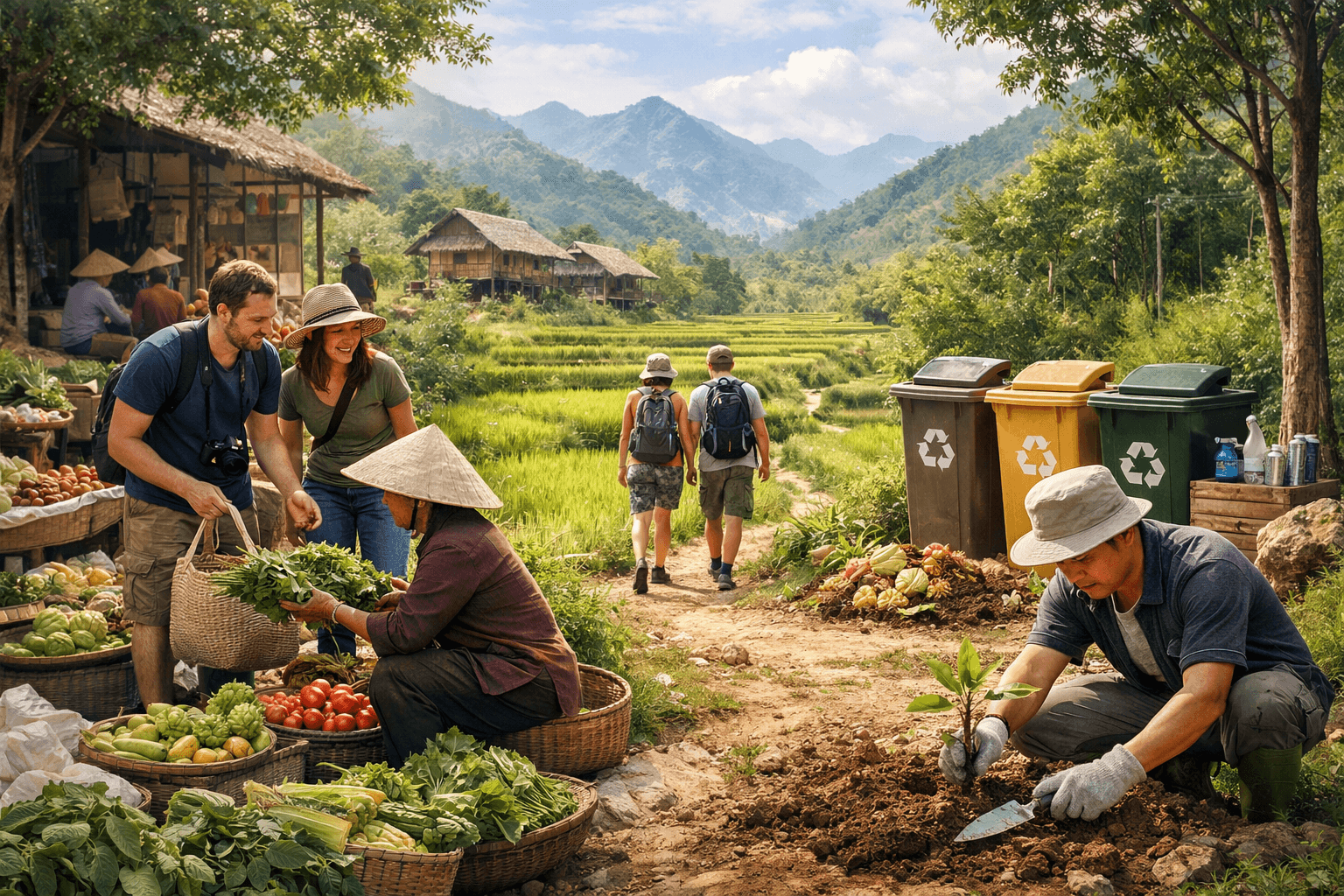
A trip to fewer destinations is meaningful only when your choices do not diminish residents’ quality of life. Treat local people as the owners and agents of the destination, not as a backdrop for your journey.
- Ask before taking photos: especially when photographing children, workers, religious spaces, and private activities.
- Eat and shop locally: choose products with clear origins and avoid excessively bargaining with small-scale producers.
- Respect boundaries: do not enter restricted areas, participate in rituals without permission, or ask local people to perform their lives for visitors.
- Reduce single-use waste: bring a water bottle and a cloth bag, and reuse items whenever possible.
- Choose suitable transportation: walk, cycle, take the train, or share a vehicle when conditions allow; do not force yourself to use a low-emission option if it compromises safety.
- Do not turn the trip into a work schedule: resting helps you consume less and experience the destination more fully.
According to responsible tourism principles, an experience should simultaneously create financial benefits for the community, raise cultural awareness, and reduce negative environmental impacts (according to ecotourism.org).
How to review your itinerary before departure
Before your trip, I recommend answering these five questions:
- Will I spend at least two consecutive nights in one place?
- Is the total time spent traveling each day overshadowing the time available for experiences?
- Have I booked at least one service operated directly by local people?
- Does the plan include alternatives for rain, delayed transportation, or overcrowded attractions?
- Do I know the rules of conduct, dress expectations, and photography restrictions at the destination?
If the answer to several of these questions is “not yet,” the itinerary is still too packed or lacks sufficient local information.
Common mistakes and how to fix them
- Labeling a trip slow travel while still changing hotels every night: group destinations by area and stay longer in one base.
- Looking only for “unusual” experiences to photograph: switch to activities involving two-way exchange, learning, and clear contributions.
- Booking an opaque community tour: ask about the organizing company, the guides, and how revenue is distributed.
- Judging destinations by city standards: accept slower service, simpler infrastructure, and different daily routines.
- Leaving no time for rest: add at least one free half-day after every two days of activities.
Slow travel with local experiences is best suited to people who want to return from a trip with many deeply meaningful memories, not just a large photo library. Start with a small area, a clear theme, responsible accommodation, and enough time for each experience to unfold naturally. When you visit fewer places but stay longer, the journey often becomes more relaxed, personal, and valuable for both you and the local community.
Reference source
